
Hip Pain
Hip pain that stops you sleeping on your side or walking comfortably usually responds well to targeted loading.
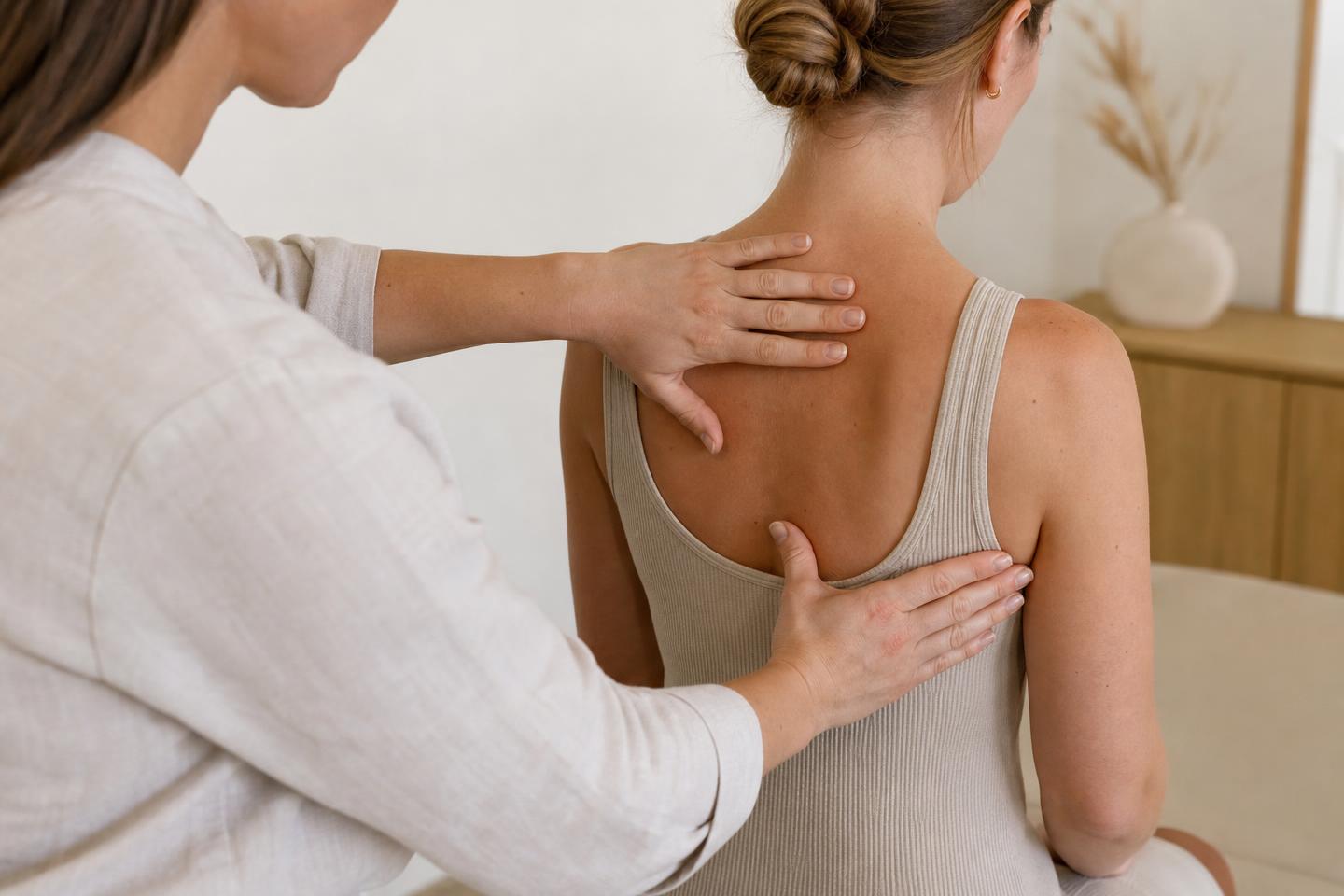
What is hip pain?
Hip pain presents in patterns. Pain on the outside of the hip, especially when lying on that side, most often points to gluteal tendinopathy. Groin pain with deep squatting or rotation suggests the hip joint itself, whether impingement, labral irritation or osteoarthritis. Deep buttock pain may come from the hip, the sacroiliac joint or the lumbar spine.
Establishing which is which is the important first step, because the treatment for each is quite different — and compressive stretching, a common self-treatment for lateral hip pain, often makes tendon problems worse.
Common symptoms
- Pain lying on the affected side at night
- Pain on the outer hip when walking or climbing stairs
- Groin pain with squatting, sitting or rotating
- Clicking, catching or a feeling of instability
- Stiffness after sitting or first thing in the morning
- Deep buttock pain referring down the thigh
What causes it
- Gluteal tendinopathy and greater trochanteric pain syndrome
- Hip osteoarthritis
- Femoroacetabular impingement and labral irritation
- Weakness in the gluteal and deep hip muscles
- Sudden increases in walking, running or hill work
- Habitual positions that compress the tendon, like hanging on one hip
- Referred pain from the lower back
How physiotherapy helps
Accurate diagnosis first, then progressive loading. Tendon problems respond to graded strengthening with compression management; joint-related pain responds to mobility work, strength and load modification; osteoarthritis responds very well to structured exercise, which is recommended as first-line treatment.
Hands-on treatment settles symptoms in the short term, but strength is what holds the result.
- Differential assessment of hip, spine and pelvis
- Progressive gluteal and hip strengthening
- Load and position management advice
- Manual therapy and soft tissue release
- Dry needling where appropriate
- Return to walking, running or sport
- Pre- and post-hip-replacement rehabilitation
When to seek treatment
- Pain lasting more than two to three weeks
- Night pain disturbing your sleep
- Pain limiting walking, stairs or exercise
- After a fall or sudden injury
- Before or after hip surgery
Frequently asked questions
Let's get you moving again
If this sounds like what you're dealing with, an assessment is the quickest way to understand it properly. Hip Pain responds well to the right plan.