
A more comfortable, more confident pregnancy
Aches and pains in pregnancy are common, but they respond beautifully to treatment. Physiotherapy to keep you moving well from the first trimester to birth.
About pregnancy care
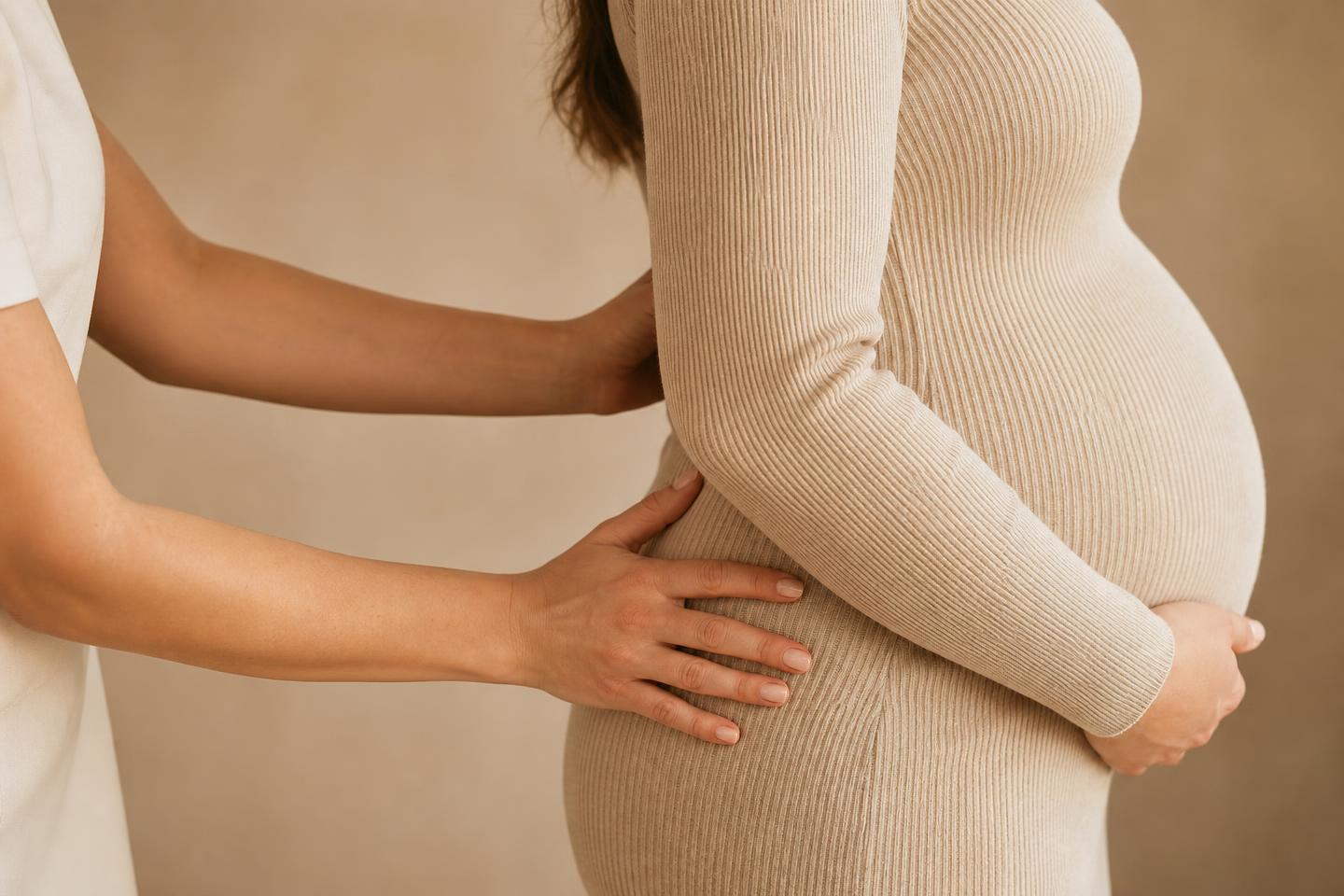
Pregnancy asks a great deal of your body in a short space of time. Ligaments soften, your centre of gravity shifts forward, the abdominal wall stretches, and the load on your pelvis, spine and pelvic floor changes week by week. It's remarkable adaptation — and it's also why around half of pregnant women experience back or pelvic girdle pain.
The advice to 'rest, it's just pregnancy' is well-meant but rarely helpful. Pregnancy-related pain is a musculoskeletal problem with musculoskeletal solutions: manual therapy, targeted strengthening, load management, supportive taping or belts, and practical strategies for sleeping, driving, working and lifting toddlers.
Who this is for
- Women at any stage of pregnancy with pain or discomfort
- Anyone wanting to keep exercising safely while pregnant
- First-time mothers preparing for birth
- Women with a history of pelvic pain, prolapse or a difficult previous birth
- Those with bladder symptoms or pelvic heaviness in pregnancy
- Anyone wanting a personalised plan rather than generic internet advice
Common symptoms
If any of these sound familiar, an assessment is worthwhile — you don't need to wait until symptoms are severe.
- Pain across the lower back, buttock or pubic bone
- A grinding or clicking sensation in the pubic joint
- Pain rolling over in bed, climbing stairs or standing on one leg
- Rib and mid-back pain as the baby grows
- Wrist, hand or upper-limb tingling
- Leaking urine or increased urgency
- Pelvic heaviness, especially at the end of the day
Conditions treated
- Pelvic girdle pain and symphysis pubis dysfunction
- Pregnancy-related low back and rib pain
- Sciatica and nerve-related leg pain
- Pregnancy urinary incontinence
- Carpal tunnel syndrome in pregnancy
- Diastasis recti prevention and management
- Birth preparation and pelvic floor education


What to expect
Understanding your pregnancy
We discuss your stage, your history, how your pregnancy is progressing, your work and home demands, and what you want to keep doing — whether that's running, Pilates, or carrying a two-year-old.
Pregnancy-safe assessment
Positions are adapted throughout, with side-lying and supported sitting used instead of lying flat later in pregnancy. We assess spine and hip mobility, muscle control, breathing and, when relevant and consented to, pelvic floor function.
Hands-on relief and support
Gentle joint and soft tissue techniques, supportive taping, pelvic belt fitting where useful, and practical adjustments to sleeping, sitting and lifting to settle symptoms between visits.
Preparing for birth
Pelvic floor lengthening and relaxation, breathing and pushing technique, positions for labour, perineal massage guidance from around 34 weeks, and a clear picture of what early postpartum recovery involves.
How physiotherapy helps
Less pain, sooner
Manual therapy and exercise are supported by evidence for reducing pregnancy-related pelvic girdle and back pain.
Stay active safely
Guidance on modifying rather than stopping exercise keeps you strong for birth and recovery.
Better birth preparation
Understanding your pelvic floor and how to work with it can support your birth experience, whichever way your birth unfolds.
A smoother fourth trimester
Women who prepare in pregnancy tend to feel far less lost in the early postpartum weeks.
Frequently asked questions
Let's make the rest of your pregnancy easier
Book a pregnancy physiotherapy appointment in Johannesburg and get comfortable, capable and prepared.