
Sports physiotherapy for every sport and every level
Acute injuries, overuse problems, return-to-sport rehabilitation and injury prevention for runners, team and racquet-sport players, gym and CrossFit athletes, dancers, and anyone active in Johannesburg.
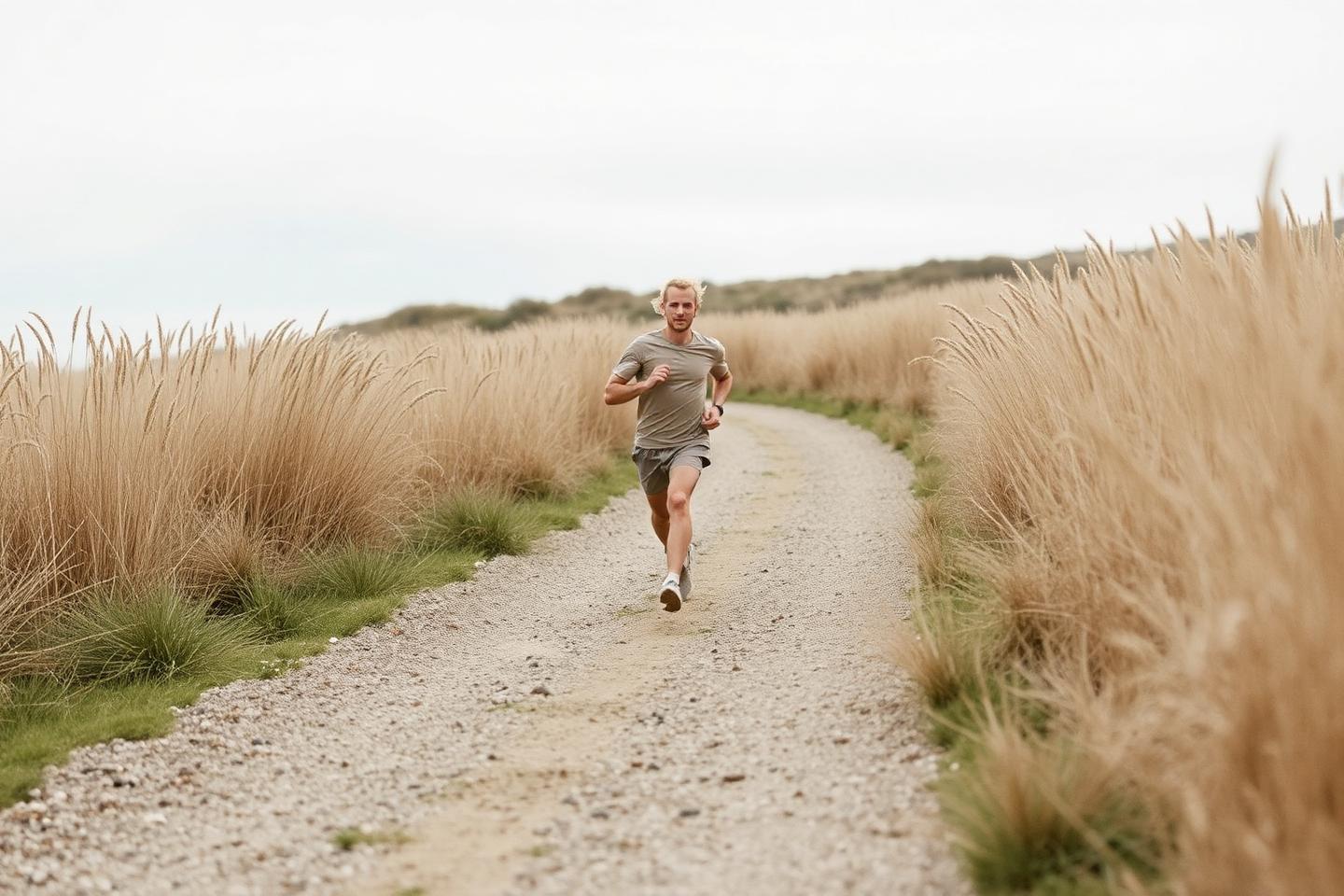
About sports physiotherapy
Sports physiotherapy here covers every kind of activity: running, soccer, rugby, cricket, hockey, netball, tennis, padel, golf, cycling, gym training, CrossFit, Pilates, yoga, dance, school sport — and the weekend warriors who simply want to keep playing.
Most sporting injuries aren't caused by a single misstep. They develop when the load you're asking your body to absorb outgrows the capacity it currently has — a jump in training, a new block, insufficient recovery, a change in surface or footwear, or strength that hasn't kept up with your ambitions.
That's why rest alone so rarely works. Rest reduces load, so pain settles; then you return to the same training on the same capacity and the injury returns. Effective rehabilitation does both jobs: settles the irritated tissue, then rebuilds capacity so it doesn't happen again.
Who this is for
- Runners with a new, recurring or stubborn injury
- Team-sport athletes — soccer, rugby, cricket, hockey, netball
- Racquet and club sports — tennis, padel, golf, cycling
- CrossFit, gym and general fitness training
- Dancers, yoga and Pilates practitioners
- School sport, social sport and weekend warriors
- Athletes returning to sport after injury or surgery
- Postpartum women returning to running and training
Common symptoms
If any of these sound familiar, an assessment is worthwhile — you don't need to wait until symptoms are severe.
- Pain that eases with warm-up but returns afterwards
- Pain that worsens as distance, load or pace increases
- Sharp, localised bone or tendon pain
- Recurring calf, hamstring or hip flexor strains
- Knee pain on hills, stairs or landing
- Heel and Achilles pain, especially first thing in the morning
- Shin pain during or after running
- Leaking or pelvic heaviness while running or lifting
Conditions treated
- Acute sporting injuries and on-field trauma
- Muscle strains and ligament sprains
- Tendinopathies — Achilles, patellar, gluteal, hamstring
- Overuse injuries and repeated breakdown in training
- Running-related injuries, shin splints and bone stress injuries
- Shoulder, knee, hip, ankle and foot injuries
- Return-to-sport rehabilitation after injury or surgery
- Injury prevention and screening
- Performance optimisation and load management
- Postpartum return to running and training

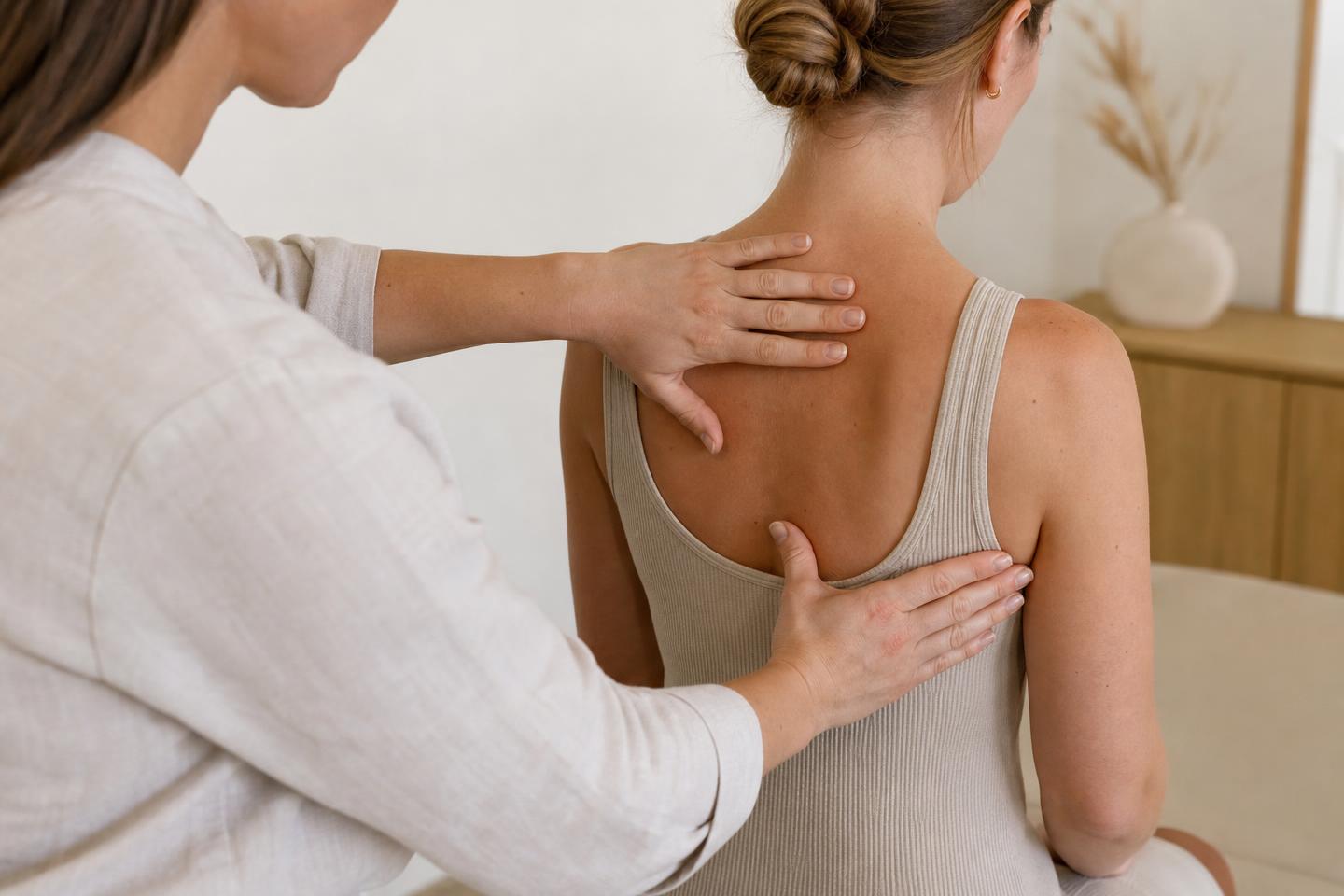
What to expect
Training history first
Weekly mileage, recent changes, surfaces, footwear, races on the calendar, sleep, fuelling and stress. The cause is very often found in this conversation.
Physical and functional testing
Joint range, strength testing, single-leg control, hopping and calf endurance testing, and observation of your gait. Objective numbers give us a baseline and a target.
Settle, then build
Hands-on treatment and load modification calm the irritated tissue, while progressive strength and plyometric work builds the capacity that prevents recurrence.
Return-to-run programme
A written, staged plan that reintroduces running by time, then distance, then intensity, with clear rules for what to do if symptoms flare.
How physiotherapy helps
Root cause, not just symptoms
Fixing the capacity gap is what stops the same injury returning next season.
Measured progress
Strength and hop testing show objectively when you're ready for the next stage.
Keep training where possible
Complete rest is rarely necessary — we modify so you maintain fitness while healing.
Female athlete considerations
Pelvic floor, postpartum and hormonal factors are assessed as part of your running rehabilitation, not treated as a separate world.
Frequently asked questions
Let's get you back to your sport
Book a sports physiotherapy assessment in Johannesburg and get a plan with an actual finish line.