
Headaches that come from the neck and jaw can be treated
A large proportion of persistent headaches have a treatable physical driver in the neck, jaw or upper back. Assessment tells us whether yours is one of them.
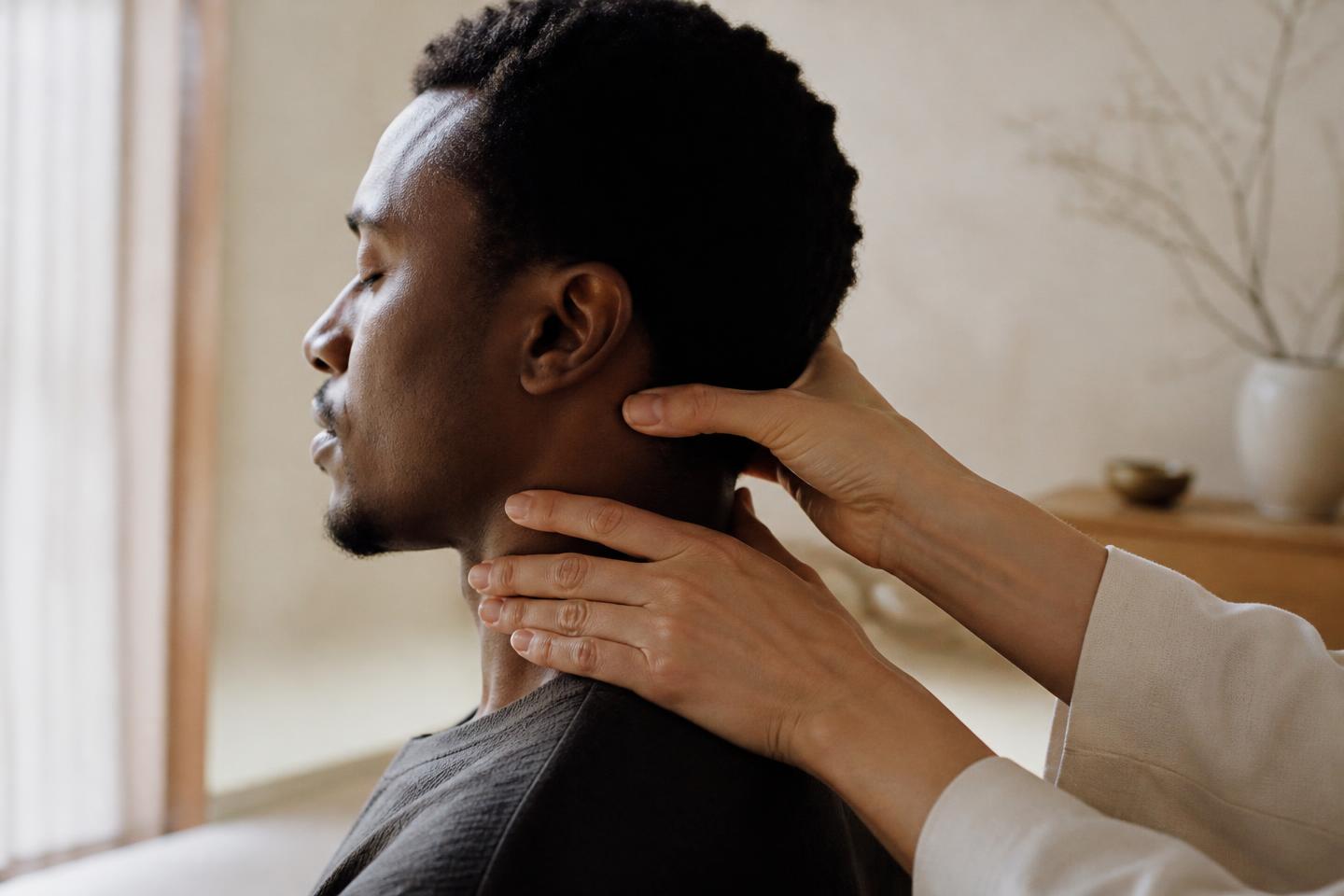
About headache physiotherapy
Headaches are one of the most common reasons people live with daily discomfort and simply manage it with medication. Yet a significant number of headaches are cervicogenic — they originate in the joints, muscles and nerves of the upper neck — or are driven by jaw clenching, sustained postures and stress. These respond very well to physiotherapy.
I treat headaches in women and men of all ages: professionals who spend long hours at a screen, students, parents carrying young children, athletes, and people whose headaches began after a car accident or a period of high stress.
Who this is for
- Anyone with frequent tension-type headaches
- Headaches that start at the base of the skull or behind one eye
- Desk-based workers and screen-heavy professionals
- People who clench or grind their teeth
- Headaches following whiplash or a neck injury
- Migraine sufferers whose attacks are triggered by neck tension
Common symptoms
If any of these sound familiar, an assessment is worthwhile — you don't need to wait until symptoms are severe.
- Pain starting at the base of the skull and spreading over the head
- One-sided headache that stays on the same side
- Neck stiffness or reduced ability to turn the head
- Headache provoked by sustained sitting, driving or screen work
- Tenderness in the temples, jaw or shoulders
- Pressure behind the eyes
- Headaches that are worse late in the day or on waking
Conditions treated
- Cervicogenic (neck-related) headache
- Tension-type headache
- Post-whiplash headache
- Jaw and TMJ-related headache
- Migraine with cervical or muscular triggers
- Headache related to posture and workstation setup
- Headache associated with stress and breathing pattern changes

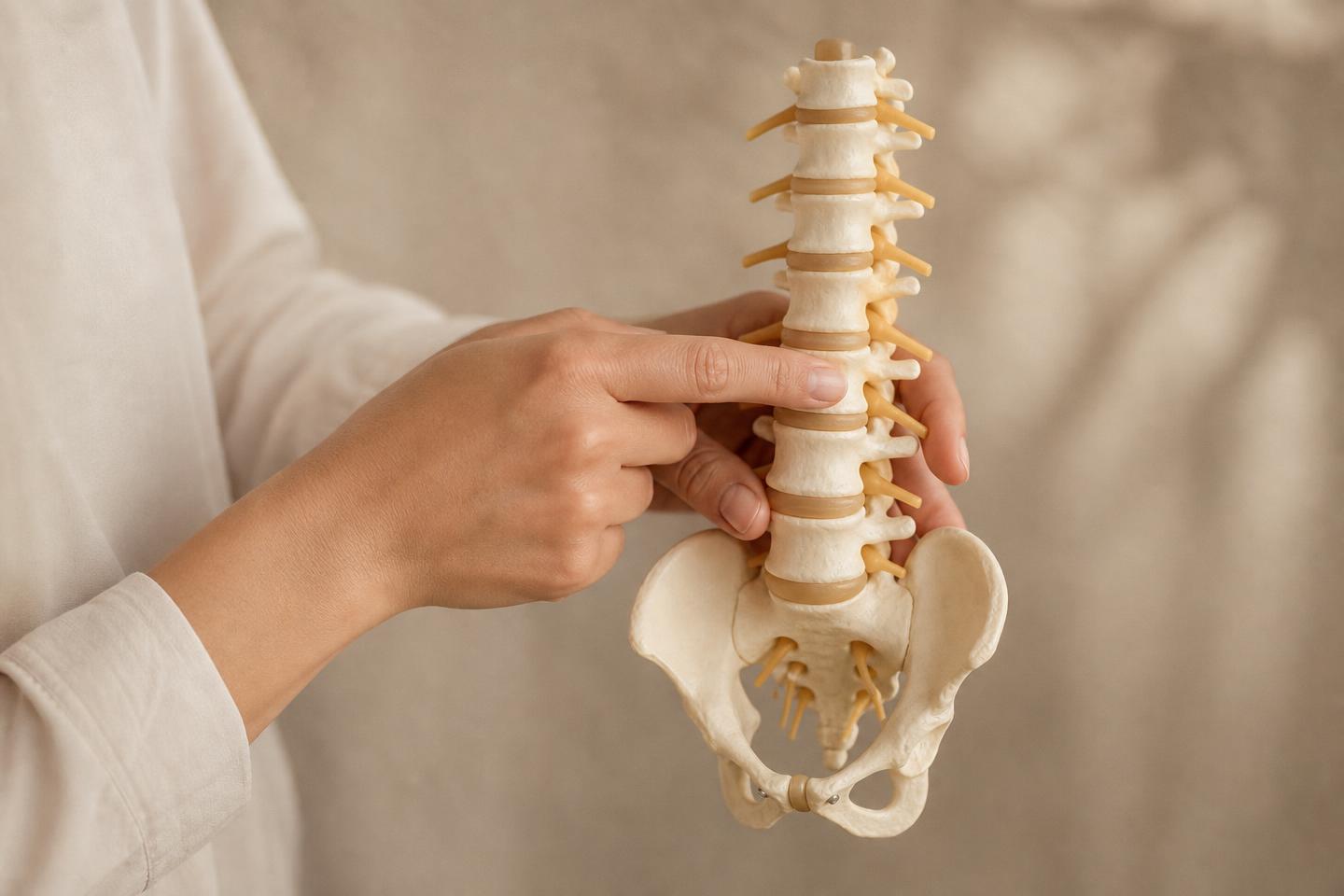
What to expect
A detailed headache history
Pattern, location, frequency, triggers, medication use and any relevant medical history — plus screening to make sure referral isn't needed.
Physical examination
Upper cervical joint mobility, muscle tenderness, jaw movement, breathing pattern and postural assessment, aiming to reproduce and then ease your familiar symptoms.
Hands-on treatment
Gentle upper cervical mobilisation, soft tissue and trigger-point release, dry needling where appropriate, and jaw treatment if it's contributing.
Prevention that lasts
Neck and shoulder strengthening, movement breaks, workstation adjustments, breathing retraining and a plan for managing flare-ups yourself.
How physiotherapy helps
Fewer headache days
Most people notice reduced intensity within a few sessions and reduced frequency over the following weeks.
Less reliance on medication
Treating the driver often reduces how often you need to reach for painkillers.
A clear explanation
You'll understand what is causing your headaches and what to do when one starts.
Practical prevention
Simple, specific strategies for work, sleep and training that hold up in real life.
Frequently asked questions
Let's get to the cause of your headaches
Book a headache assessment in Johannesburg and find out whether your neck or jaw is driving your symptoms.