
Sports Injuries
Sports injury assessment and rehabilitation for athletes of every code, age and level — from school sport and weekend leagues to serious competition.
What is sports injuries?
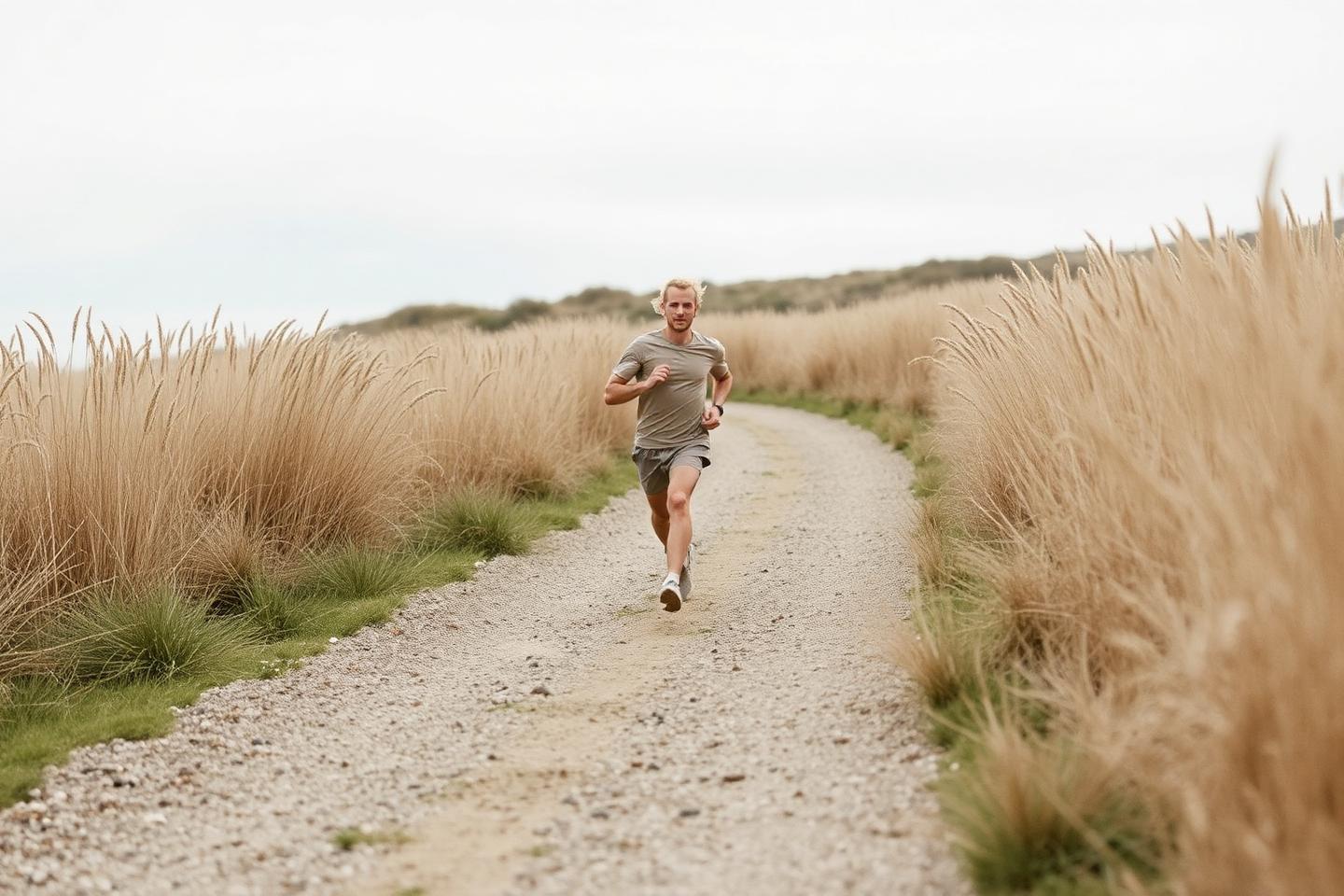
Sports injuries fall broadly into two groups. Acute injuries happen in a moment — a tackle, a twisted ankle, a sprint that pulls a hamstring. Overuse injuries build quietly over weeks, as training load outpaces the capacity of a tendon, bone or muscle to absorb it. The two need quite different handling in the early stages, though both end in the same place: rebuilding capacity so the tissue tolerates your sport again.
We treat running, soccer, rugby, cricket, hockey, netball, tennis, padel, golf, cycling, CrossFit, gym training, dancing, yoga, Pilates, general fitness, school sport and the weekend warriors who simply won't stop. Whatever the level, the aim is the same — a clear diagnosis, a plan with milestones, and a proper return to the activity you love.
Common symptoms
- Sudden, sharp pain during activity, sometimes with swelling or bruising
- Pain that eases with warm-up and returns afterwards
- Pain that climbs as load, distance or intensity increases
- Joint giving way, locking or feeling unstable
- Recurring strains in the same muscle
- Stiffness or loss of range after activity
- Plateauing performance despite consistent training
What causes it
- Rapid increases in training volume, intensity or frequency
- Insufficient recovery between sessions or matches
- Strength and mobility that hasn't kept pace with your sport
- Incomplete rehabilitation of a previous injury
- Technique or movement patterns that concentrate load
- Sudden change of surface, footwear, equipment or season
- Contact, collision and direction-change demands of team sport
How physiotherapy helps
Accurate diagnosis, so you know exactly what you're rehabilitating and what the timeline realistically looks like
Early management that protects healing tissue without unnecessary rest
Progressive strength and loading to rebuild capacity in the injured tissue and everything around it
Sport-specific retraining — running mechanics, change of direction, jumping, landing, throwing, kicking
Load management guidance so training builds you up rather than breaking you down
Objective return-to-sport criteria rather than guesswork
- Comprehensive assessment including strength, mobility and movement testing
- Hands-on treatment, mobilisation and soft tissue work where appropriate
- Dry needling for muscle pain and tension
- Therapeutic taping and strapping for support and confidence
- Individualised strength and conditioning programme
- Graded return-to-sport and return-to-play planning
- Referral for imaging or specialist opinion when it's genuinely needed
When to seek treatment
- You heard or felt a pop, or the joint gave way
- You can't weight-bear, or swelling came on rapidly
- Pain has lasted more than a week or two despite relative rest
- The same injury keeps returning each season
- You have a race, match or season you're working towards
Frequently asked questions
Let's get you moving again
If this sounds like what you're dealing with, an assessment is the quickest way to understand it properly. Sports Injuries responds well to the right plan.