
Pelvic floor physiotherapy, done properly
Leaking, urgency, heaviness or pain are common — and highly treatable. Skilled, respectful pelvic floor assessment and rehabilitation in Johannesburg.

About pelvic health physiotherapy
Your pelvic floor is a sling of muscles that runs from your pubic bone to your tailbone. It supports your bladder, bowel and, in women, the uterus; it helps control when you pass urine and stool; it plays a part in sexual function; and it works with your deep abdominals, diaphragm and back muscles to stabilise your trunk every time you move.
When those muscles become weak, overactive, poorly coordinated or painful, the symptoms are wide-ranging: leaking, urgency, heaviness, incomplete emptying, pain with intercourse or penetration, or persistent pelvic and low back pain. Strength is only one part of the picture — a tight, overworking pelvic floor causes just as much trouble as a weak one, which is why generic 'do your Kegels' advice so often fails.
Who this is for
- Women with bladder or bowel control symptoms
- Women with pelvic, tailbone, groin or genital pain
- Women with prolapse symptoms or a prolapse diagnosis
- Women preparing for or recovering from pelvic surgery
- Runners and gym-goers whose symptoms appear under load
- Anyone told to 'just do pelvic floor exercises' without guidance
Common symptoms
If any of these sound familiar, an assessment is worthwhile — you don't need to wait until symptoms are severe.
- Leaking with coughing, sneezing, lifting or impact
- Urgency, frequency or getting up repeatedly at night
- Difficulty starting or fully emptying the bladder
- Constipation, straining or a feeling of incomplete emptying
- Vaginal or rectal heaviness, pressure or bulge
- Pain with penetration, tampon use or prolonged sitting
- Groin, tailbone or deep pelvic ache that comes and goes
Conditions treated
- Stress, urge and mixed urinary incontinence
- Pelvic organ prolapse
- Overactive (hypertonic) pelvic floor
- Vaginismus, vulvodynia and painful sex
- Coccyx and pudendal-related pain
- Bowel urgency and constipation
- Pre- and post-operative pelvic rehabilitation


What to expect
History and screening
We talk through your bladder, bowel, pain and sexual health history, along with your exercise habits and any births or surgeries. Questionnaires or a short bladder diary help us measure progress objectively.
Assessment with consent
External assessment looks at breathing, posture, abdominal wall, hips and how you move under load. Internal vaginal or rectal assessment, where appropriate and consented to, measures muscle tone, strength, endurance and coordination directly. You are in control of every step.
Targeted treatment
This may include manual therapy and trigger-point release, downtraining and breathing work for overactive muscles, progressive strengthening, biofeedback, bladder and bowel retraining, and advice on pressure management during lifting and exercise.
Progression and review
Your home programme is short and specific, and it changes as you improve. We review objectively so you can see progress rather than guess at it.
How physiotherapy helps
Strong evidence base
Supervised pelvic floor muscle training is recommended internationally as first-line treatment for stress urinary incontinence and prolapse symptoms.
Freedom in daily life
No more mapping bathrooms, avoiding trampolines or wearing pads 'just in case'.
Comfort restored
Pain-focused pelvic care addresses muscle tone and nervous system sensitivity, making intimacy and sitting comfortable again.
Better performance
A coordinated pelvic floor improves trunk control, which supports lifting, running and every athletic movement above it.
Frequently asked questions
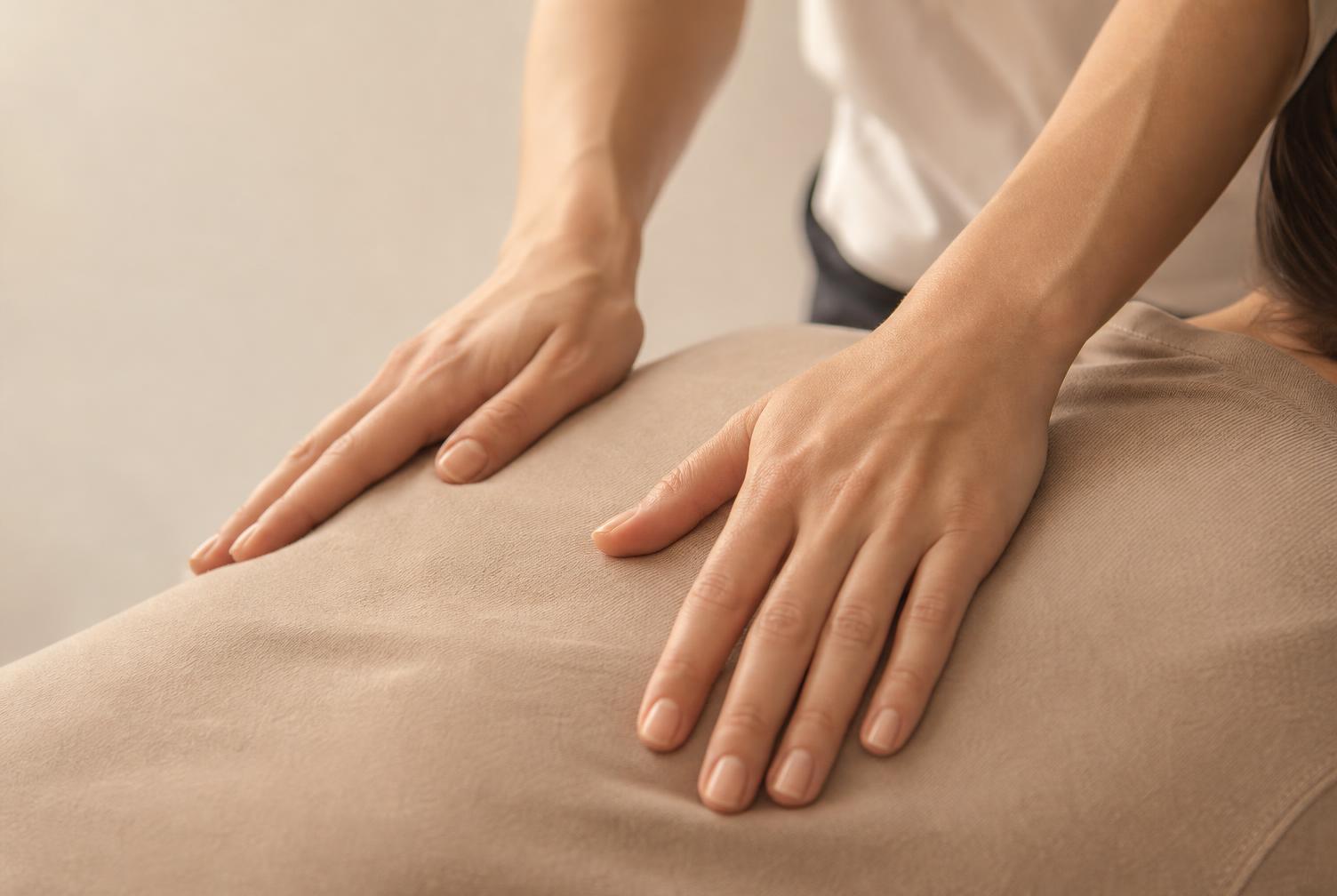
Let's get you comfortable and confident again
Book a pelvic floor assessment in Johannesburg — thorough, respectful and entirely at your pace.