
Pelvic Pain
Pelvic pain is common, frequently dismissed, and highly treatable. Skilled assessment can finally explain what's driving it.

What is pelvic pain?
Pelvic pain describes any persistent pain felt in the lower abdomen, pelvis, genitals, tailbone or the area between the hips. It may be constant or come in waves, and it's often described as aching, burning, heavy or sharp.
In many people the pelvic floor muscles themselves are a major contributor. When these muscles stay in a state of protective tension — often after an injury, infection, surgery, difficult birth or long period of stress — they become sore, restrict movement and refer pain into the hips, back and abdomen.
Pain that has been present for months also changes how the nervous system processes signals from the area, so the system becomes more sensitive and reacts to smaller triggers. That's a real, physical process, not something imagined, and it responds to the right treatment.
Common symptoms
- Deep ache or heaviness in the pelvis
- Pain with sitting, especially on hard surfaces
- Pain during or after intercourse, or with penetration
- Burning or stinging in the vulva or perineum
- Tailbone (coccyx) pain
- Bladder urgency or difficulty emptying
- Constipation or pain with bowel movements
- Low back, hip or groin pain alongside the pelvic pain
What causes it
- Overactive or tight pelvic floor muscles
- Endometriosis, adenomyosis or ovarian conditions
- Previous surgery, scar tissue or adhesions
- Childbirth-related injury or a difficult delivery
- Recurrent urinary or vaginal infections
- Hip, sacroiliac joint or lumbar spine problems
- Prolonged stress, anxiety or a history of trauma
How physiotherapy helps
Assessment is the turning point for most people with pelvic pain, because it identifies which structures are actually involved rather than leaving you with a diagnosis of exclusion.
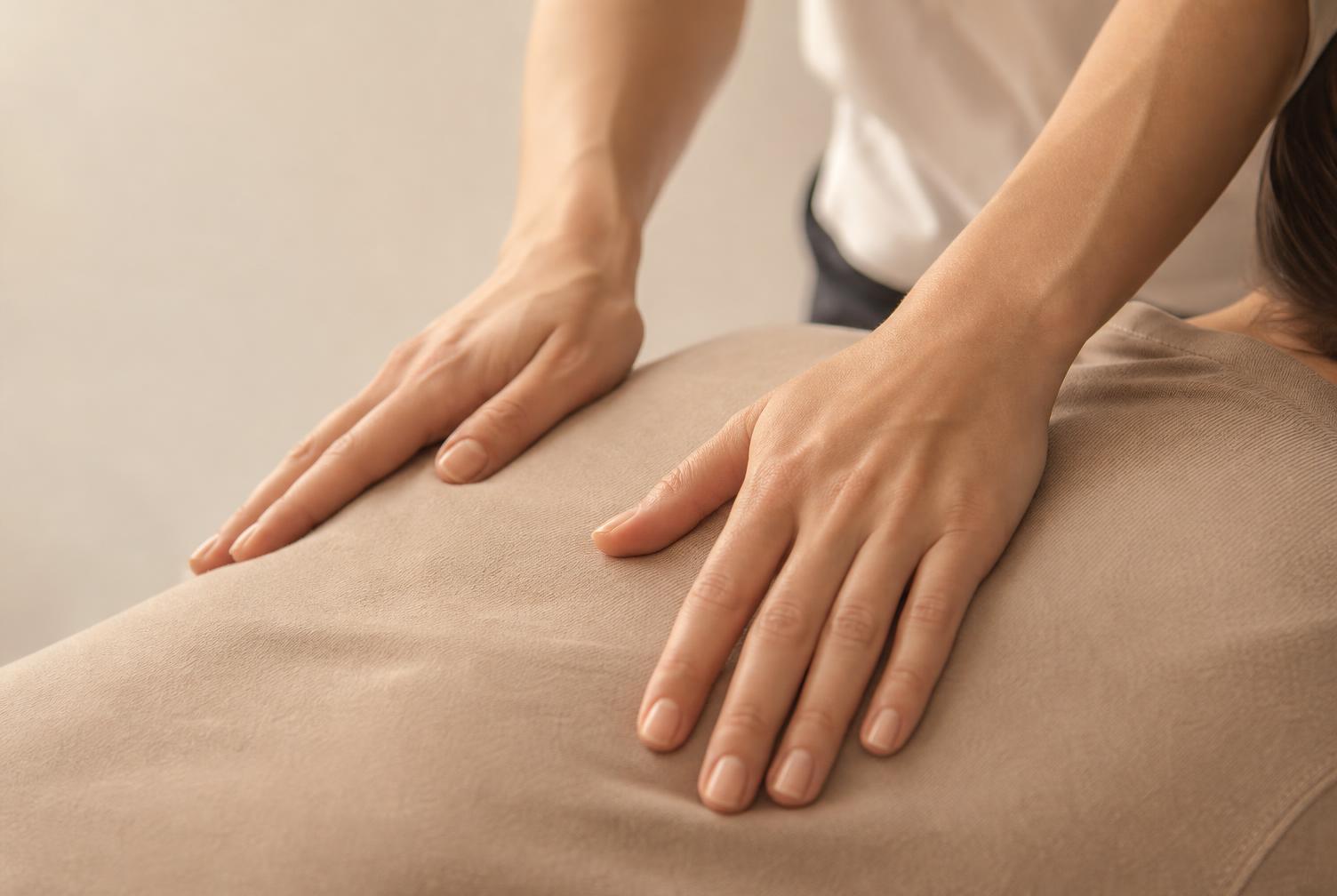
Treatment focuses on releasing overactive muscle, restoring normal movement in the pelvis, hips and abdominal wall, and gradually reducing how sensitive the area has become. Progress is usually gradual but steady, and most people notice change within a few weeks.
- Manual therapy and trigger-point release, internally and externally
- Pelvic floor downtraining and relaxation techniques
- Diaphragmatic breathing and nervous-system regulation
- Hip, spine and sacroiliac mobility work
- Scar tissue mobilisation
- Graded exposure to sitting, movement, intimacy and penetration
- Bladder and bowel strategies
When to seek treatment
- Pain that has lasted more than a few weeks
- Pain that limits sitting, working, exercise or intimacy
- Pain that returns whenever you try to increase activity
- Pelvic pain with bladder or bowel changes
- Any sudden, severe pelvic pain — see a doctor urgently first
Frequently asked questions
Let's get you moving again
If this sounds like what you're dealing with, an assessment is the quickest way to understand it properly. Pelvic Pain responds well to the right plan.